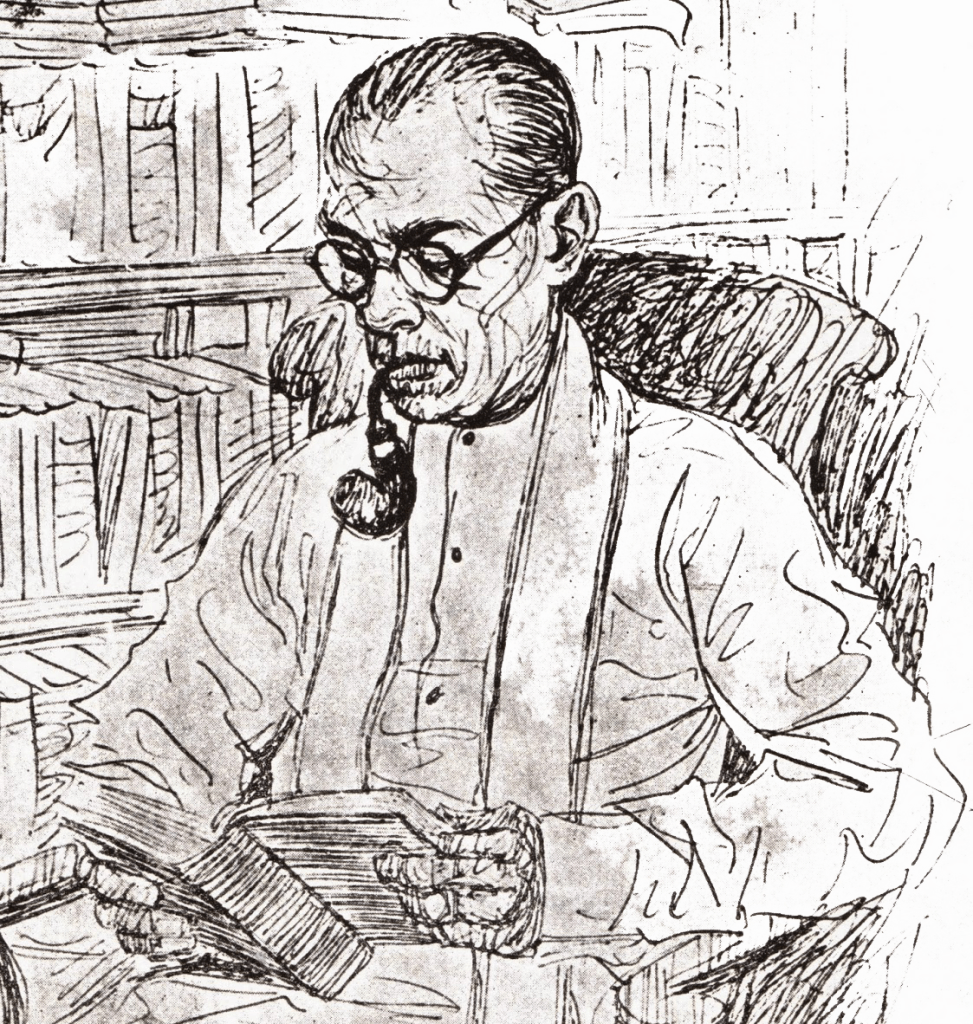
S.W.R.D. Bandaranaike was, in many ways, an unlikely devotee of fairy stories. Yet those who knew him well often remarked on his fondness for myth, parable, and the half-lit world of imaginative tales. To Bandaranaike, such stories were not childish fantasies but vessels of symbolic truth—ways of contemplating destiny, political change, and the slow, spiraling rhythms of history.
Among the stories that captivated him was Andrew Lang’s “Song of the Western Fairies.” He was drawn to its cyclical structure, its sense of time moving in great wheels, and its quiet insistence that transformation—political or personal—cannot be rushed. The poem suggests that renewal arrives only when the world itself is ready, after many blossoms have failed, many songs fallen silent.
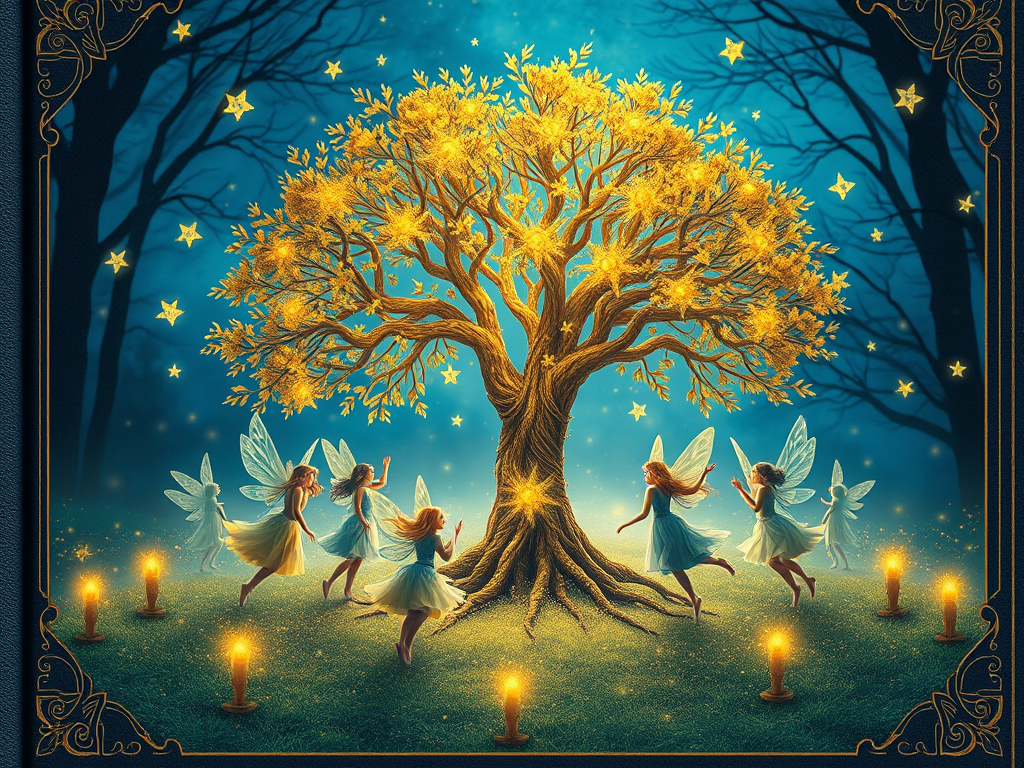
For a man obsessed with the moral purpose of leadership and the possibility of remaking society, this was a powerful idea. Bandaranaike often saw reform not as an act of singular will, but as part of a larger turning of the age. Lang’s fairies, circling their golden tree, seemed to him emblematic of that long, patient motion toward a “golden new time.”
Below is the poem he admired, in full:
“The Song of the Western Fairies,” Andrew Lang
Round and round the apples of gold,
Round and round dance we;
Thus do we dance from the days of old
About the enchanted tree;
Round, and round, and round we go,
While the spring is green, or the stream shall flow,
Or the wind shall stir the sea!
There is none may taste of the golden fruit
Till the golden new times come
Many a tree shall spring from shoot,
Many a blossom be withered at root,
Many a song be dumb;
Broken and still shall be many a lute
Or ever the new times come!
Round and round the tree of gold,
Round and round dance we,
So doth the great world spin from of old,
Summer and winter, and fire and cold,
Song that is sung, and tale that is told,
Even as we dance, that fold and unfold
Round the stem of the fairy tree!
Bandaranaike recognized in these lines a philosophy of change anchored in both patience and inevitability. Politics, like myth, turns in great circles; leaders are merely dancers in a much older pattern. Yet for him, the promise of the poem—the golden new times—was not a passive dream. It was an aspiration, something to be called into being through vision, resolve, and sacrifice.
In this way, Lang’s fairies offered not escape but perspective: a reminder that even the boldest reforms take root only when history itself begins to turn.